To speak of vanilla is to speak of memory. Its aroma has the power to awaken memories that seemed to be sleeping: a grandmother’s kitchen, freshly baked bread, a cup of hot chocolate, or a family celebration. Few plants possess the power to connect generations as Mexican vanilla does—one of our country’s most valuable contributions to the world’s gastronomic heritage.
Native to the humid jungles of the Gulf of Mexico, vanilla was cultivated and cherished by Indigenous peoples long before its fragrance conquered other continents. The ancient Totonacs considered it a sacred gift from nature. Later, the Mexica used it to flavor cacao beverages reserved for nobles and rulers. Ever since, the history of vanilla has been intimately linked to the history of our food.
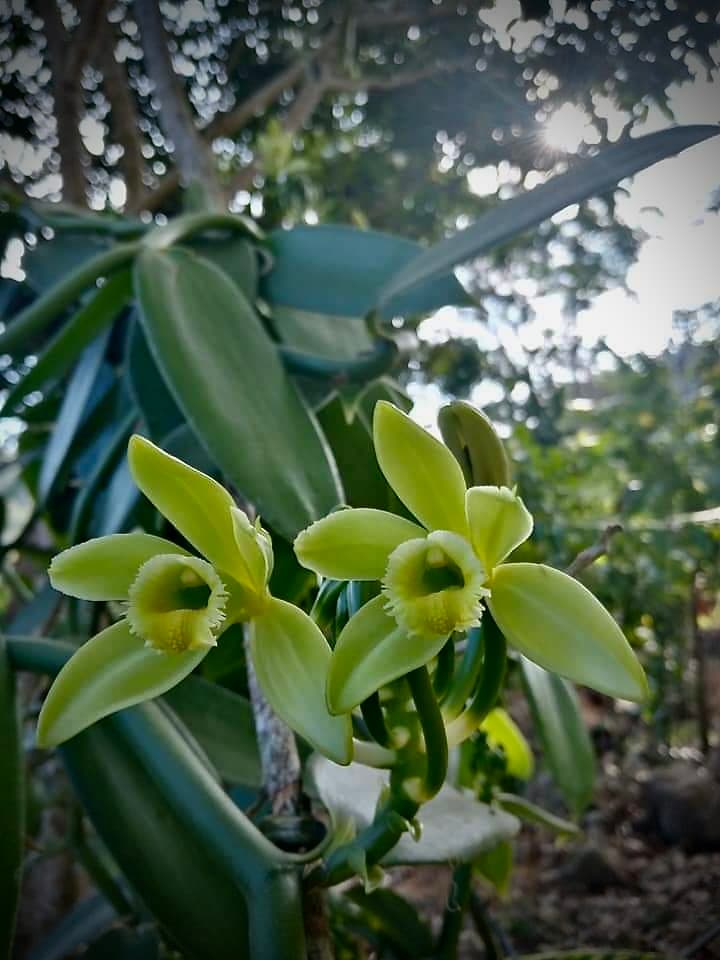
However, behind every vanilla bean lies a story of patience. Vanilla is not a hurried crop. It requires years of care before producing its first flowers. Each flower opens for only a few hours on a single day and, outside its region of origin, must be pollinated by hand. Then begins a long process of ripening, harvesting, and curing that can last several months. The final result is a dark, flexible bean capable of concentrating hundreds of aromatic compounds, making it one of the most prized flavors on the planet.
When we think of vanilla, we usually imagine desserts: ice cream, flans, cakes, or cookies. Yet vanilla is much more than a sweet ingredient. Its aromatic complexity allows it to be used in beverages, sauces, infusions, and even savory dishes. In various regions of Mexico, it is part of traditional recipes where it engages in dialogue with ingredients such as cacao, corn, tropical fruits, and certain spices. Its presence does not seek to impose itself, but to harmonize, bringing depth and elegance to every preparation.
Mexican cuisine finds a natural ally in vanilla. A vanilla-scented atole takes on a different dimension; a traditional bread becomes unforgettable; fresh fruit can be transformed into an extraordinary dessert with just a few seeds scraped from a vanilla bean. In these small culinary gestures lives a cultural heritage that has traveled from generation to generation.
But vanilla also tells the story of those who cultivate it. Behind every harvest are families, knowledge passed down over decades, and a deep relationship with the land. Producers observe nature’s cycles, protect the shade the plants need, and take part in artisanal processes that preserve ancestral knowledge. Each bean represents hours of careful work and a living connection between tradition and biodiversity.
In an era when speed seems to dominate every aspect of life, vanilla reminds us of the value of waiting. Its cultivation teaches that the best things require time; that quality is born of care, and that true flavor has a story behind it. Perhaps that is why its aroma feels so special: because it contains not only aromatic molecules, but also the effort of the hands that produce it and the memory of the peoples who safeguard it.
Mexican vanilla is much more than a flavor. It is identity, heritage, and culture. It is a silent storyteller that travels through every recipe, every table, and every celebration. Its fragrance speaks to us of jungles, ephemeral flowers, centuries-old traditions, and people who have dedicated their lives to preserving this treasure. Each time we catch its aroma, we hear a story that began centuries ago and is still being told.
Adriana Aparicio Gaya / Papantla, Veracruz