No One Eats the Same Kid Goat Twice
the same kid goat
Epifanio Sánchez CabralNovember 10, 20265 min read
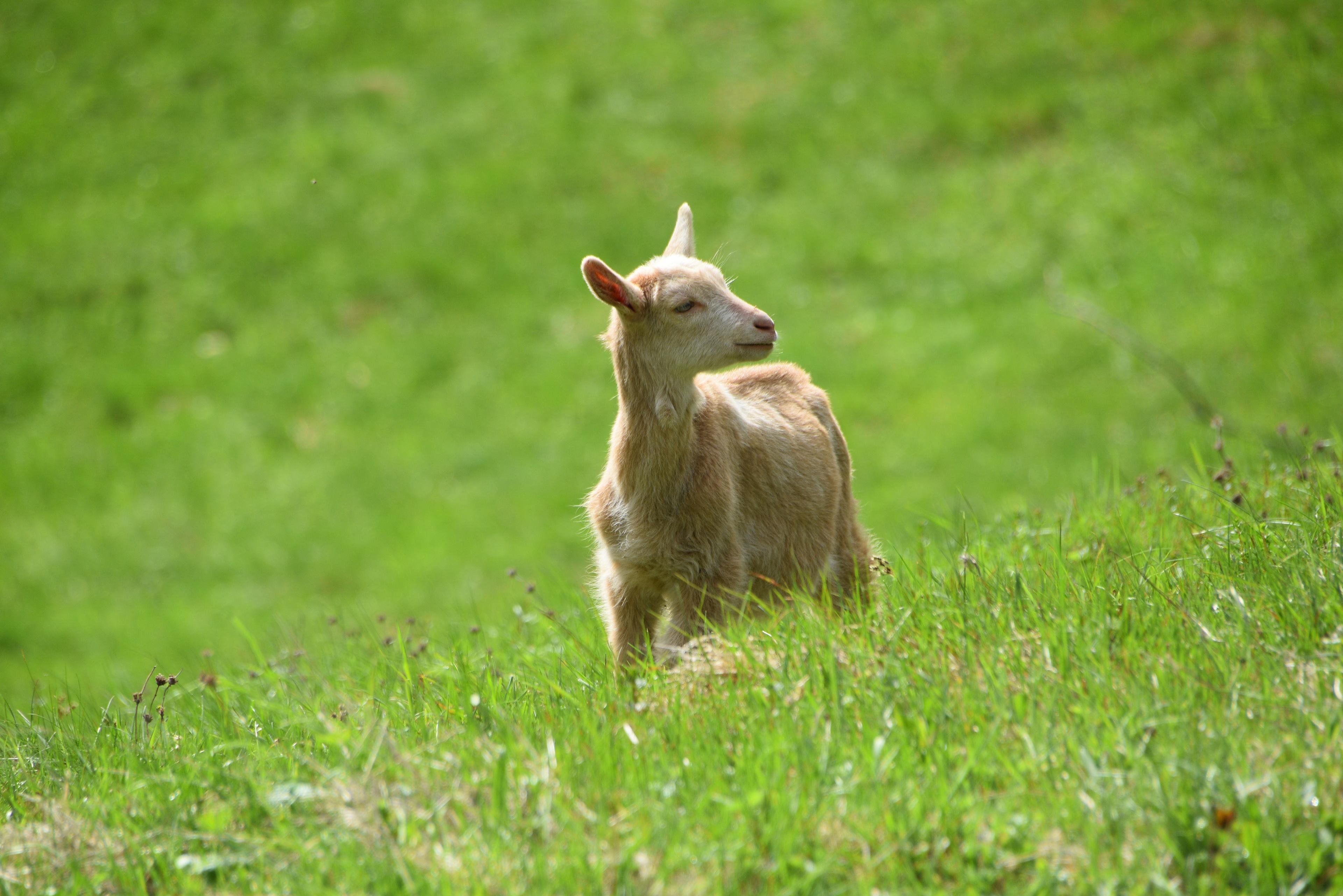
To think of my grandmother’s kitchen is to think of a list, and every list is an attempt to stop time. Mine is brief and, for that reason, incomplete: pork roast at baptisms, machacado at endless breakfasts, empalmes, turcos, and hojarascas that crumbled in your mouth before you had time to regret it. And cabrito, of course, which in the north is less a dish than a form of identity. (I’m from Monterrey: what would be a confession elsewhere is barely a tautology here.)
I love the smell of mesquite firewood; I don’t, however, love roasted cabrito. The contradiction is only apparent. That golden meat never spoke to me. I suspect that the first taste of something forever closes off the possibility of enjoying other versions. The first cabrito I tried was the “cabrito in salsa” my grandmother made every year for her birthday, and it ruled out all the others in advance. The cabritos that came later were drafts; that one was the archetype.
Even now, if I close my eyes, my grandmother’s kitchen comes back whole in its smell as she cooked cabrito. First the tomatoes, garlic, and onion, which went into the pot with the ferocity of freshly hunted animals, and which the fire slowly subdued, until that sour smell gave in and turned sweet as a reconciliation. Then the cumin, with its earthy smell, and finally the oregano and bay leaves, which my grandmother added without measuring, with the certainty of someone who knows that seasoning is not learned but remembered. On the nights of her birthday, they perfumed the house until well into the early hours, when everyone else was asleep and only she was still awake, alone, listening to the salsa simmer as one listens to the rain.
My grandmother died the way people die when they never had time to get sick: suddenly, on a Tuesday in May, two days before her birthday. The kilos of tomatoes she had ordered arrived right on time the day after the funeral, and no one dared return them, so they rotted in the pantry with the slow pace of mourning, while the whole family was left longing for cabrito, like someone left with a word on the tip of their tongue.
My grandmother’s absence did not reach me with the funeral, or with the gladiolus wreaths that wilted in the patio, or with the nine days of rosary prayers when my aunts prayed more out of habit than faith. It came months later, on an ordinary Thursday in October, when we all thought the mourning was over, and it came to me through my mouth.
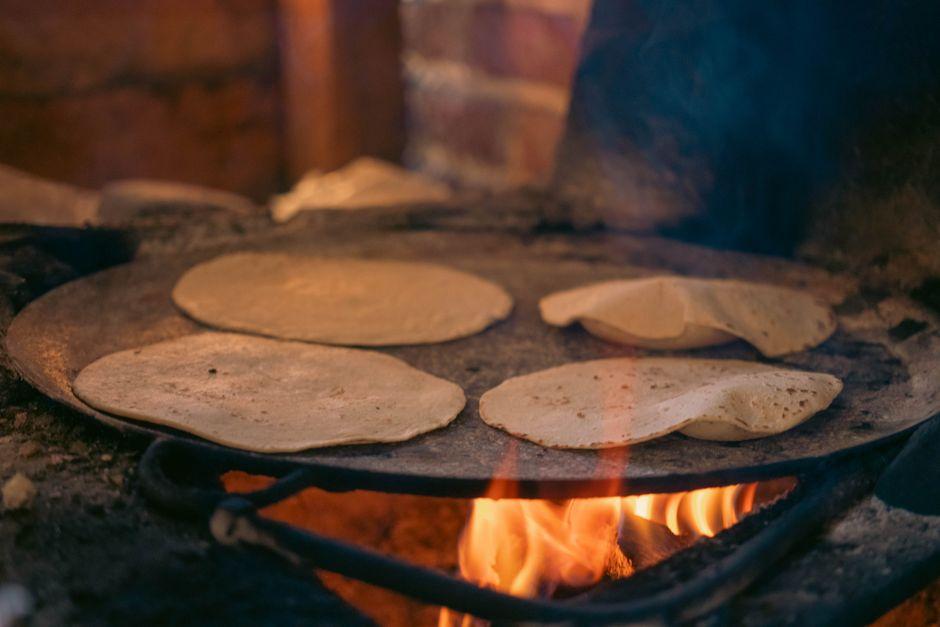
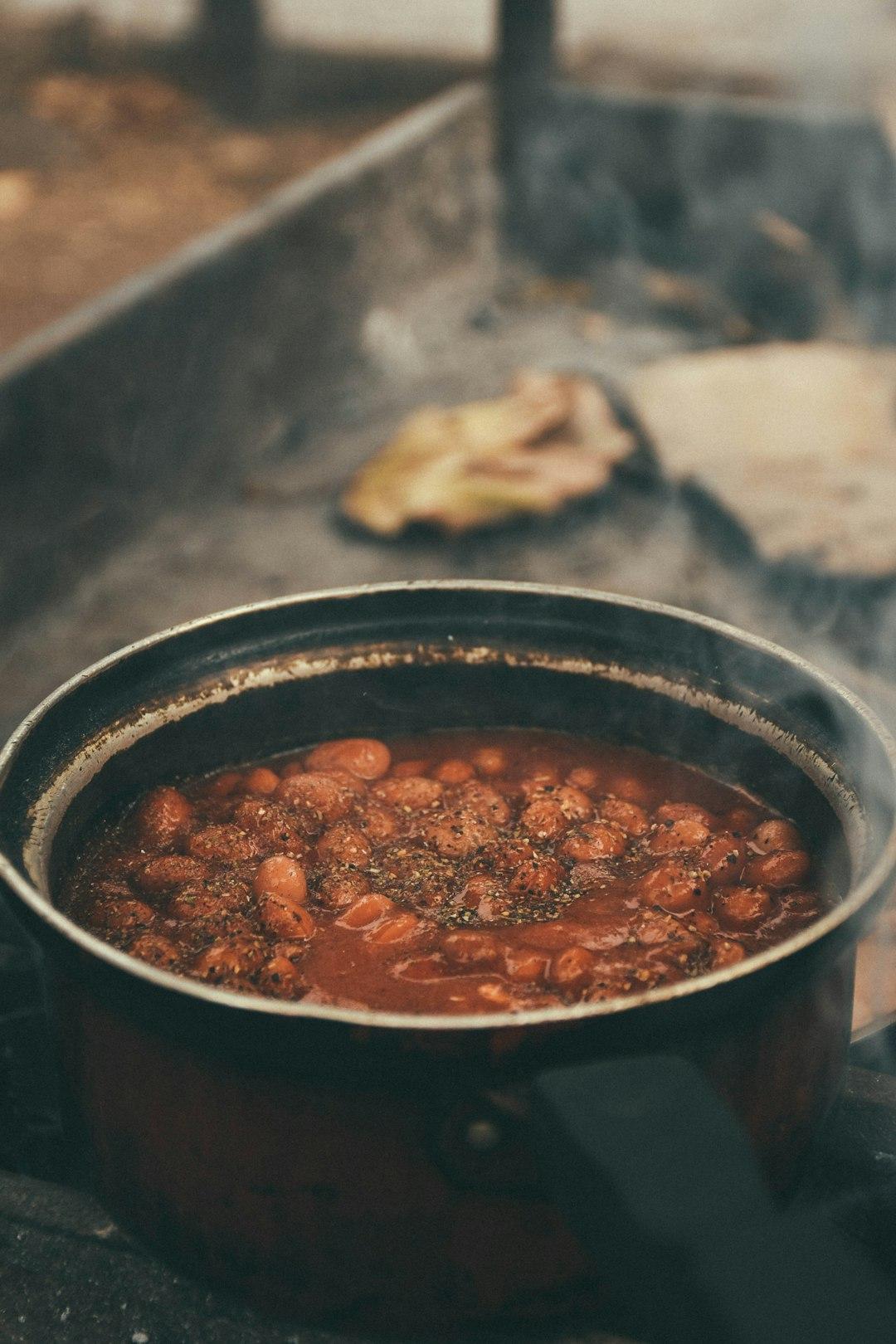
It was at a fonda, where I had gone in without being hungry, just to escape a downpour. I ordered frijoles con veneno and flour tortillas, just to order something, and with the first spoonful, without warning or mercy, I understood that they were missing something nameless. It wasn’t the salt, or the cumin, or the right amount of lard. It was something else, deeper and older, something I had eaten all my life without knowing it existed, the way you don’t know air exists until the day it’s gone. I sat with the spoon suspended in front of my mouth, and the waitress, who had spent years serving beans to solitary diners, asked if they were cold. I told her no. I didn’t tell her they were orphaned.
From that day on, the absence began appearing everywhere with the punctuality of a bill collector. I found it at the long Sunday tables, where we continued to leave the head of the table empty though no one had agreed to do so, and where conversations would suddenly break off at dessert, at exactly the point when she used to say it was time to serve the coffee. I found it at the market, in front of the tomato stalls, when I caught myself choosing them as she had taught me, pressing them lightly with the tip of my thumb, with no one left to show that I had chosen well.
The following year, her daughters decided to recreate the cabrito in salsa. They had a recipe notebook, the pot, and their memories; none of the three proved sufficient. They argued over quantities, cooking times, and whether certain ingredients belonged, with the fervor of interpreters disputing a sacred text whose author can no longer be consulted. The result was worthy: the ingredients did their part, but the flavor was not the same. We all knew it in advance, and the awareness of that shared failure was perhaps the purest form of tribute.
That afternoon I understood that a recipe is not a dish, any more than a map is a territory or the name of a rose is the rose. My grandmother had left us the words; she had taken with her what words cannot reach. The amount she never measured, the patience that appears in no notebook, the precise moment when she tasted the salsa and decided it was ready: these were not ingredients but acts, and an act is not inherited, only repeated—and to repeat it is already to make something else.
Heraclitus taught that no one steps into the same river twice. I would add, with less authority and more nostalgia, that no one eats the same cabrito twice. I suspect seasoning is what we call that impossibility.
Epifanio Sánchez Cabral / Monterrey, Nuevo León