From Caribbean Fish to Ximbote in the Hidalgo Highlands:
a life told through journeys, gardens, and flavors
Juan FontalvoNovember 17, 20268 min read
I was born in 1993 in Barranquilla (Atlántico), a hot Caribbean city in northern Colombia. I’m sure my parents fed me little fish and coconut water from the time I was tiny. Early on, in 1995, my parents separated, so I moved with my mother to her hometown. It’s still in the Caribbean, but farther south, in Corozal (Sucre), “the Pearl of the Savanna.” In this smaller town, surrounded by nearby rural areas, I was also a city kid with no knowledge of or ties to agriculture. From an early age, my mother taught me to cook, never imagining it would become an important life skill and a wonderful personal pleasure: I love eating well!
I grew up eating the region’s food: patacones (fried green plantain slices), mote de queso (a kind of yam or malanga cream soup), coconut rice, fried fish, cassava with suero (a cultured cream), chicken pasteles (tamales), and sancocho trifásico (a broth made with chicken, beef, and pork). All delicious, lovingly prepared food! Although I often saw farmers selling vegetables and tubers from donkeys or carts, I never wondered where they came from. Even though I regularly went to the municipal market and saw countless fruits and vegetables, I never questioned their origins; what I do remember is that everything was very cheap. I grew up without ties to the countryside or any farming customs.
Between 2010 and 2011, thanks to the teacher training I received at the Institución Educativa Escuela Normal Superior de Corozal, I was able to do my professional teaching placements in nearby rural areas such as Cantagallo and Loma Alta. In the latter community, I helped implement a productive educational project centered on a school plot, where young people in rural areas could learn, earn income, and develop entrepreneurial ventures. I probably took part in the project without yet having a genuine connection to agriculture; I didn’t recreate it at home, either, and perhaps my mind still couldn’t grasp the significance of growing our own food, or what that meant for children in the countryside. What I was very much aware of was which ice cream or juice I’d ask for during recess and after class to beat the heat. I remember how refreshing tropical fruits are: corozo palm, passion fruit, tamarind, mango, or lulo juice. I also enjoy juices made with milk, like sapote, níspero, borojó, or curuba; what a refreshing treat! My favorite, though, is cupuaçu from the Amazon, a relative of cacao with a distinctive flavor, something like chocolate with pineapple—truly exotic.
In 2012, I began studying biology at the Universidad de Sucre, in the city of Sincelejo. There I developed a strong interest in conservation biology and microbiology. Without a doubt, the profession changed the way I see nature. It’s a science that has allowed me to keep my sense of wonder and my desire to take pictures of every little critter. I’m still amazed by the beautiful act of pollination, the loveliness of a forest’s layers, or a peaceful sunset. From those years through 2015, I began traveling often to Santo Tomás (Atlántico), to my grandmother’s house to eat arepas de huevo. There I reconnected with my father and discovered that he was a gardener. At the time it didn’t catch my attention, though today it has a deep connection to what I do.
At the end of January 2016, I traveled to Mexico for the first time with two friends as part of a student exchange between the Universidad de Sucre and the Universidad Veracruzana (UV). I did a research stay and took two courses. My first meal after arriving was some delicious tacos al pastor on a beautiful foggy night. At the Faculty of Biology (Xalapa region), I loved seeing so much greenery and, in particular, a garden right there on campus. I was able to meet with Professor Yadeneyro de la Cruz, who championed the space, and talk with him about its goals and the activities they carried out.
In June 2016, I returned to Colombia, but in the summer of 2017 I went back to Mexico without my friends, knowing clearly that I wanted to continue my studies. At the same institution, I transferred my biology credits, now focusing on soil biology, did my social service at the Faculty garden, and graduated in 2018. I haven’t let go of agroecology or gardens since! At first, I went through some difficult times because my mother was making great efforts to support me from afar, but the exchange rate worked against us. However, as she says, I always have angels looking after me: that’s when Norma appeared and offered me work as a waiter in the Faculty cafeteria, where I could also try the delicious dishes prepared by Pilar and Patricia. By then I was already a fan of chicken in pipián, beef chileatole, milanesa tortas, and beef tacos with longaniza and nopales.
In 2019, I stayed on at the UV and enrolled in the Master’s in Environmental Management for Sustainability, specializing in Education for Sustainability. I wrote a thesis on the garden as support for the Faculty of Biology’s core functions, under the guidance of Yadeneyro de la Cruz and Miguel Escalona, two people who guided me as I delved into agroecology. They connected me with other colleagues, garden initiatives, collectives, networks, and the wonderful Metropolitan Agroecology Training Platform in Xalapa. In 2020, I had the opportunity to take some graduate courses at the University of Costa Rica. Although the pandemic left me stranded there, I enjoyed wonderful friendships in San Ramón, as well as typical dishes: gallo pinto, Cantonese rice, and chifrijo. I also took great pleasure in drinking sangria, Cacique, arazá juice, and churchill, Puntarenas’s most iconic street dessert.
In 2021, I went to work for a few months in Mazatlán (Sinaloa), at Conselva, Costas y Comunidades, a nonprofit organization that taught me how to put a watershed approach into practice. I’ve seen the best sunsets on the city’s boardwalk and tried the most exquisite seafood: aguachile, coconut-breaded shrimp, tacos gobernador, and pescado zarandeado. In 2022, I enrolled in the PhD in Sustainability Sciences at the National Autonomous University of Mexico (ENES Morelia). Under the supervision of María Teresa Pulido Silva and Miguel Escalona, I wrote a thesis on knowledge and systemic strengthening of urban gardens in Xalapa. This allowed me to live for six months in Michoacán, a beautiful state with so many traditions, where I loved eating uchepos and corundas, as well as the best carnitas in Quiroga. In 2023, that research enabled me to take part in a broader project on urban agroforestry, coordinated by Ana Isabel Moreno Calles. That same year, I met chef Arodi Orea, a great historian and friend who has taught me a lot about Veracruz cuisine.
2024 was probably the happiest year of my life, because I had the opportunity to travel extensively from north to south, giving presentations about books and comics, as well as leading courses, workshops, and other artistic activities. I went everywhere from Casa de los Cirios in Tecate (Baja California), a project run by my friends, chefs Ángel Enrique and Juan Ángel, who cook delicious food. I also went to Paraguay for the congress of the Latin American Scientific Society of Agroecology, where I joined the SOCLA Youth collective. As always, I seized the opportunity to slip away to Iguazú Falls (Brazil), where I tried sopa paraguaya and chipa guazú. On my way back to Mexico, I had a layover in Panama, where I ate delicious Caribbean dishes that reminded me of home. In 2025, I continued traveling and eating my way around Mexico, thanks to agroecology, gardens, and friendships.
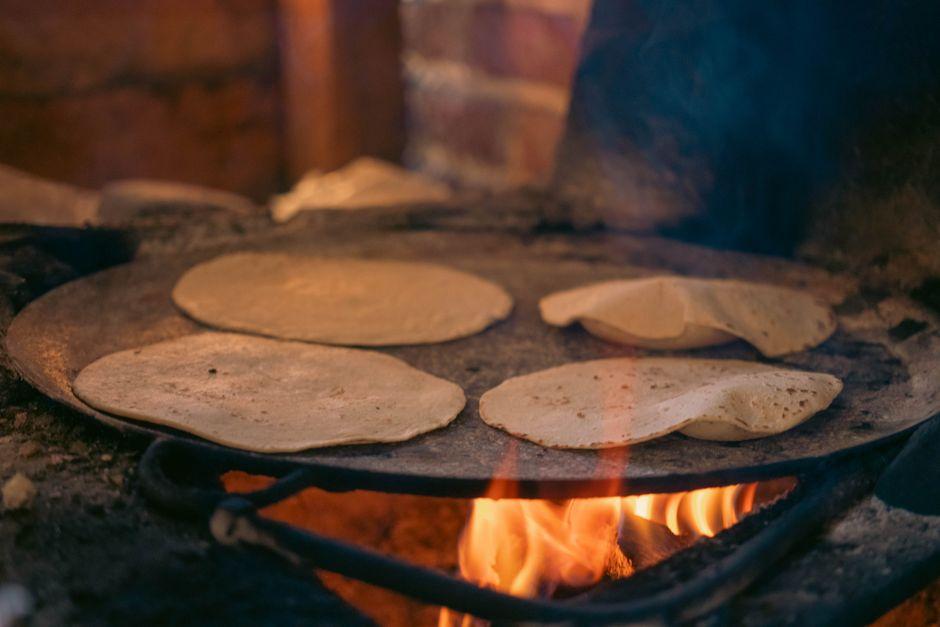
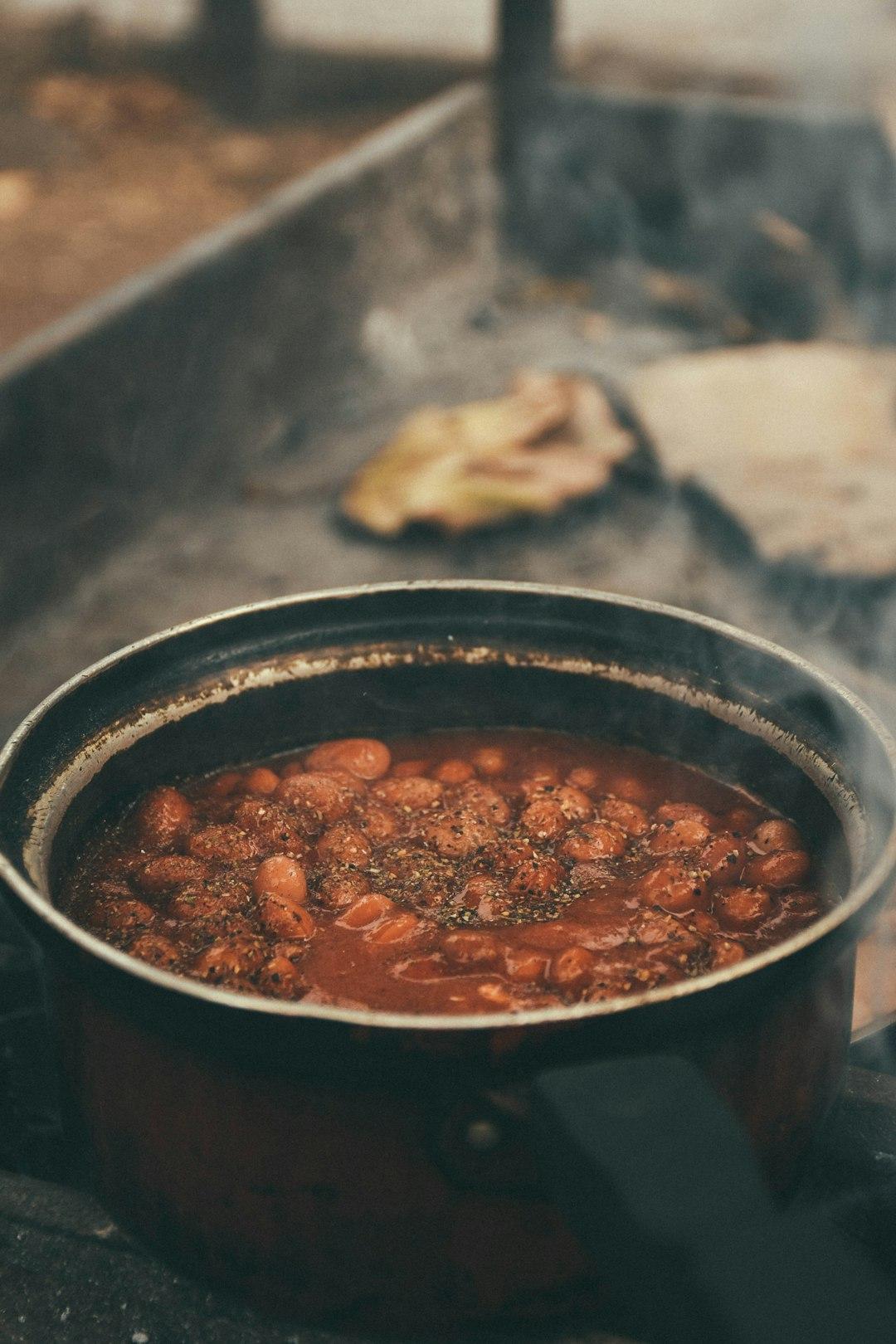
In June 2026, I was fortunate to spend a month with the Red de Huertas Comunitarias del Uruguay, where I met wonderful people with a strong organizing spirit. There I got to try excellent cuts of grilled meat, chivito, alfajores, dulce de leche, and good wine. Since I was so close, I took the opportunity to visit Buenos Aires (Argentina), see other gardens, watch soccer, and try choripán, empanadas, and a glass or two of wine. In recent months, life has often brought me to the magical town of Zempoala (Hidalgo), a cold place where there are people I love very much. Here I love eating cocoles with cream, barbacoa, and ximbote, along with a good pulquito made with xoconostle with Uncle Abel. Now, at the end of 2026, I’m looking for new projects so I can keep trying new dishes and cultivating learning communities in the concrete jungle.
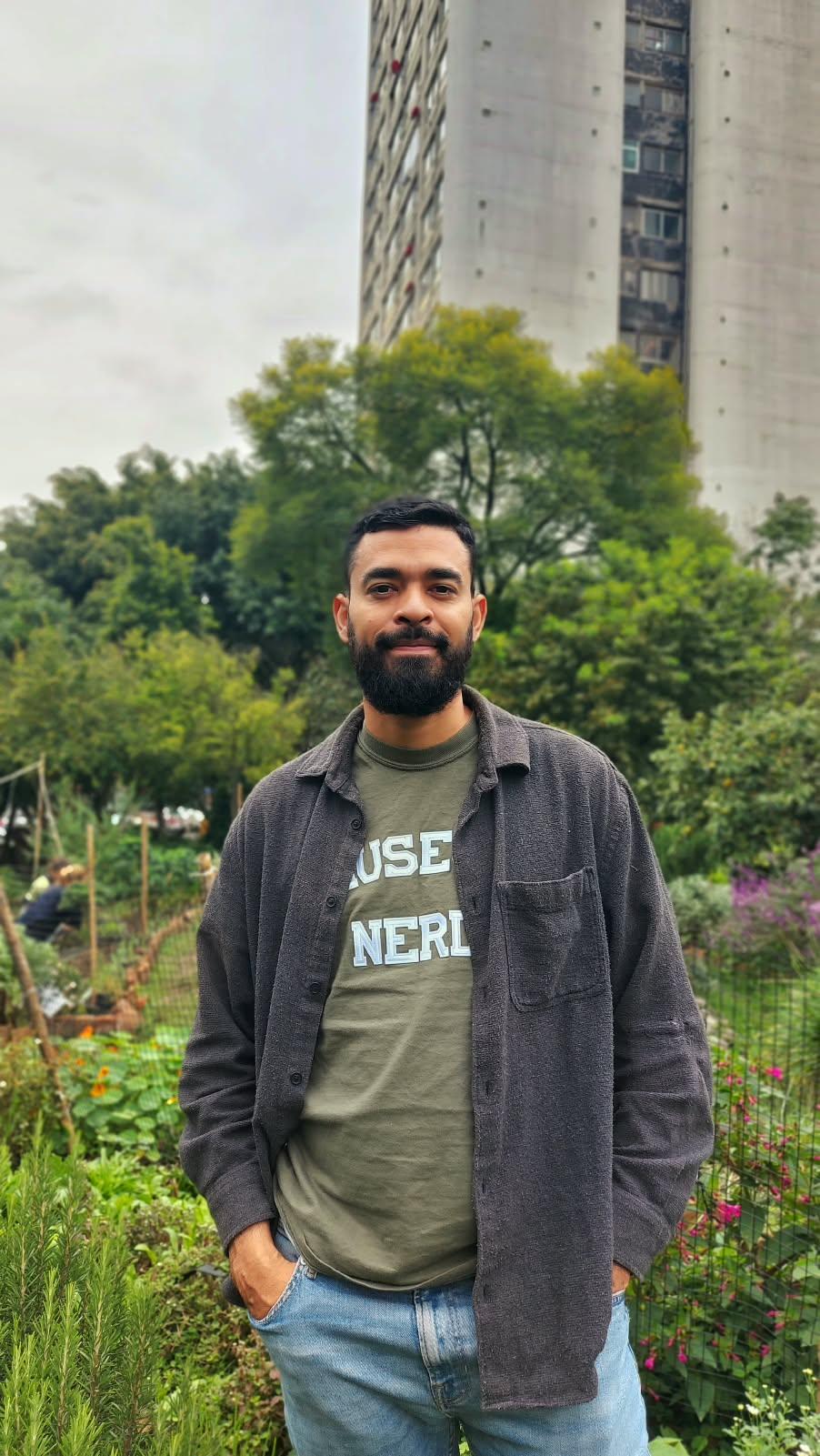
Juan Fontalvo, Barranquilla, Colombia